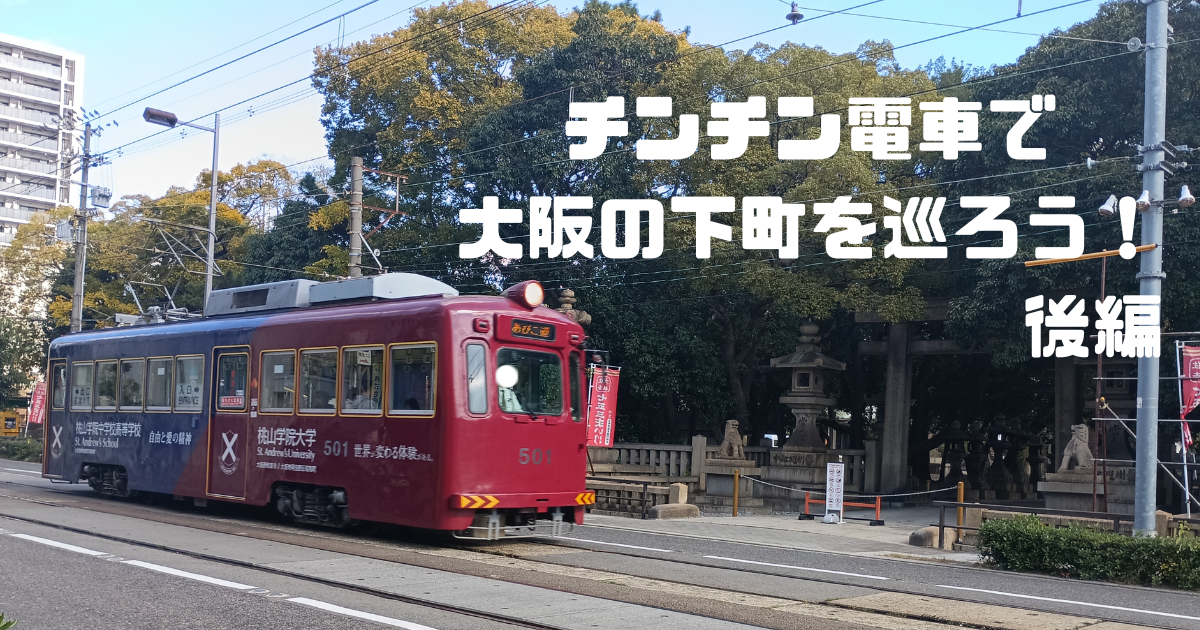
I am now approaching the second half of the tour of “shitamachi” old town of Osaka on the Hankai Railway.
Here is a recap of the first half of the trip.
Shin-Imamiya stop
↓
Coffee Rumba (actually visited the following November 20)
↓
Tenjinomori Tenmangu Shrine
↓
Sumiyoshi Park
↓
Lunch at “Sosaku Kushi-Age Gen-Gen-En”
↓
Dessert at “WaCoffee”
I had a delicious lunch and dessert.
So I am very satisfied.
Now, let’s continue the journey.
If you haven’t seen the first half of the trip,
please refer to this article.
Itinerary for the second half of the trip
After I, hiikun, left “Wa Coffee” ,
I visited the following locations.
Sumiyoshi-taisha Shrine
↓
Bandaike Park
↓
Abikomichi stop
↓
Yamato River
↓
Abikomichi stop
↓
Tennoji Ekimae stop
Sumiyoshi Taisha Shrine is the biggest tourist attraction along the Hankai Line,
Bandaike Park is known for its cherry blossoms,
Abikomichi is an important hub station on the Hankai Line,
The Yamato River borders Sakai City,
There were many more places I would have liked to visit, though.
This was the limit due to time constraints.
But even with limited time,
I was able to enjoy the trip more than enough.
Let’s go ahead and take a look.
Sumiyoshi-taisha Shrine
I had a delicious lunch and dessert.
So I feel great.
Let’s go to Sumiyoshi Taisha Shrine in a great mood.
Sumiyoshi Taisha Shrine is located in Sumiyoshi Ward, Osaka City,
It is the head shrine of the 2300 Sumiyoshi Shrines that exist throughout Japan.
With a long history of 1,800 years, it is a representative shrine of Osaka.
The “god of purification,” the “god of safe navigation,” the “god of agriculture and industry,” the “god of waka poetry,” the “god of martial arts,” and the “god of sumo wrestling.”
These six deities have been worshipped since ancient times.
According to the official website of Sumiyoshi Taisha,
it is said that as many as 2 million people visit the temple every year for Hatsumode, which is first visit of the year to a shrine, on the three days of the New Year.
I knew there were many worshippers.
But I did not expect there to be so many.
In Osaka, the shrine is affectionately called “Sumiyossan” by local people.
It is said to bring various blessings such as prosperous business, marriage, childbirth, family safety, and love fulfillment.
In addition, it takes only 10 minutes from Namba, Osaka’s main terminal station, to the nearest “Sumiyoshi Taisha” station.
Therefore, many people visit the shrine throughout the year.
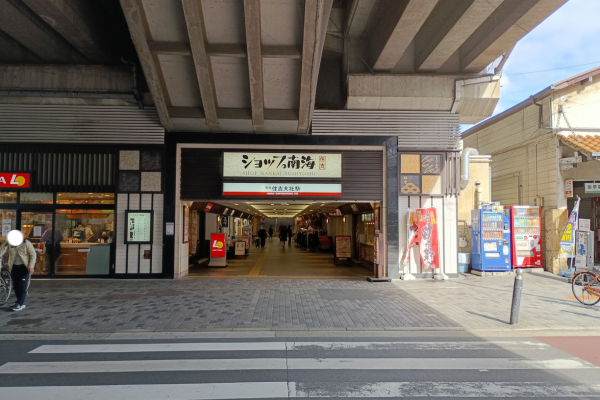
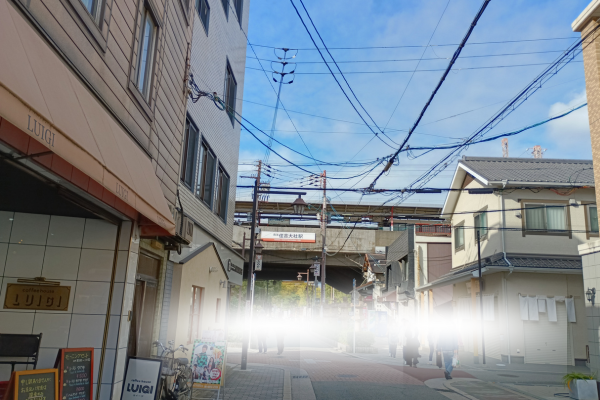
Only 5 minutes on foot from Sumiyoshitaisha Station on the Nankai Main Line.
It is very close to the mess.
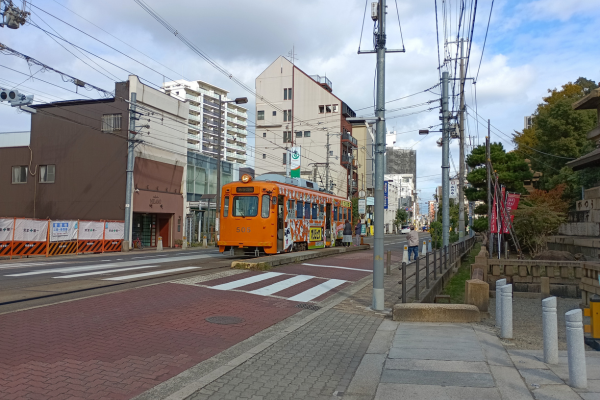
The subject of this trip is trams.
I, hiikun, took the Hankai Line.
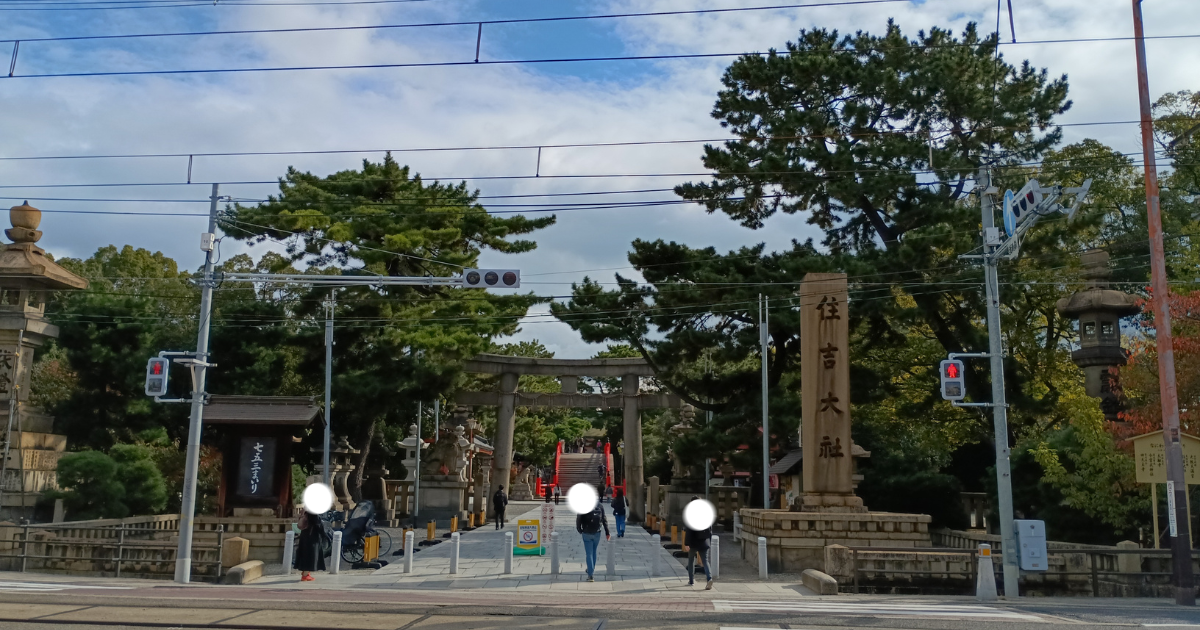
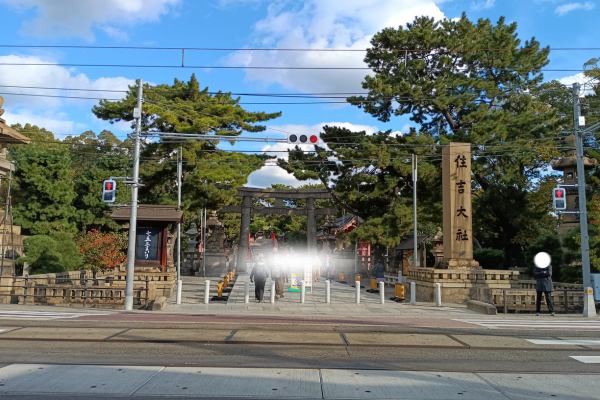
Between the eyes of the Sumiyoshi Torii-mae stop …
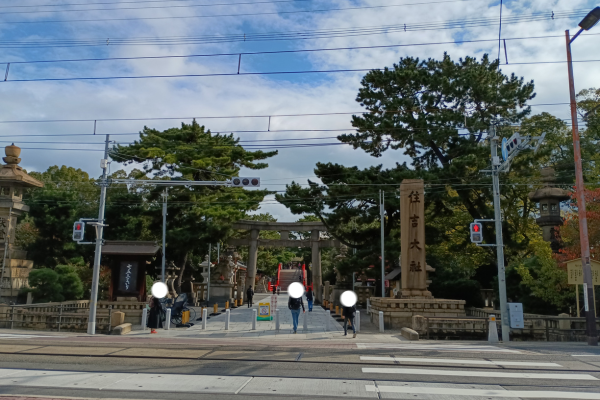
you can see the torii gate leading to the main shrine.
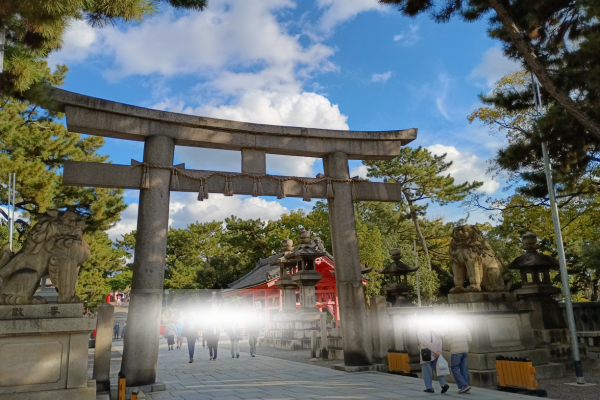
Even though it was a weekday
many people visited the shrine.
Many foreign tourists were also seen.
When passing through the torii gate, it is polite to bow in front of it.
The center of the approach to the temple is called Seichu.
It is said to be the path Deities takes.
Therefore, avoid going through the center.
Try to pass through the torii gate by stopping at either the left or right side.
The same applies when leaving the shrine.
After passing through the torii gate by either side,
be sure to turn around and bow.
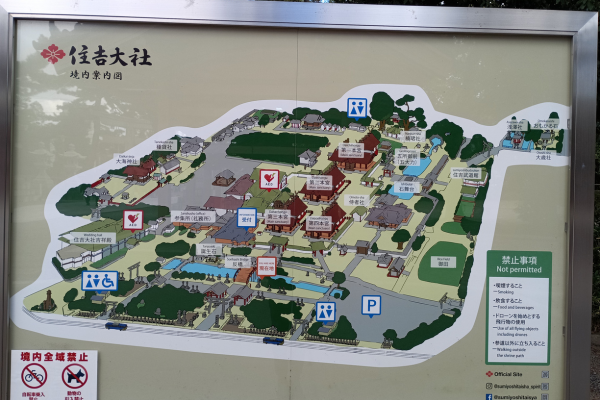
Here is an overall map of Sumiyoshi Taisha Shrine.
You can see how large the shrine is.
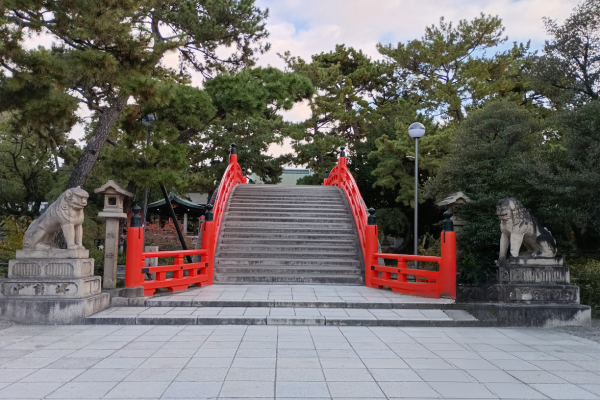
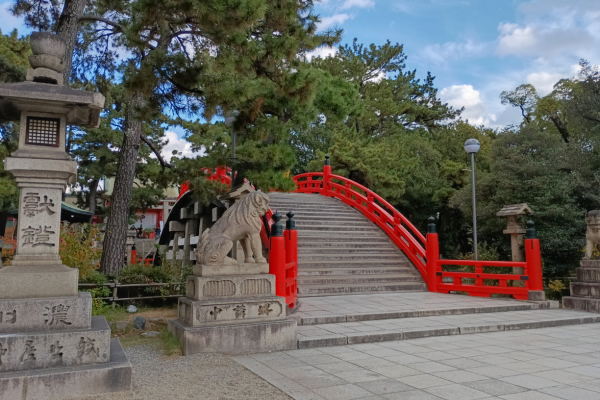
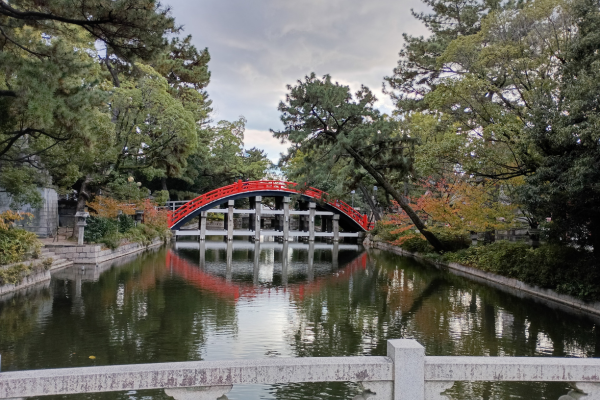
This is the symbolic “Soribashi” bridge of Sumiyoshi Taisha Shrine.
It is also called “Taiko-bashi,” or “drum bridge.
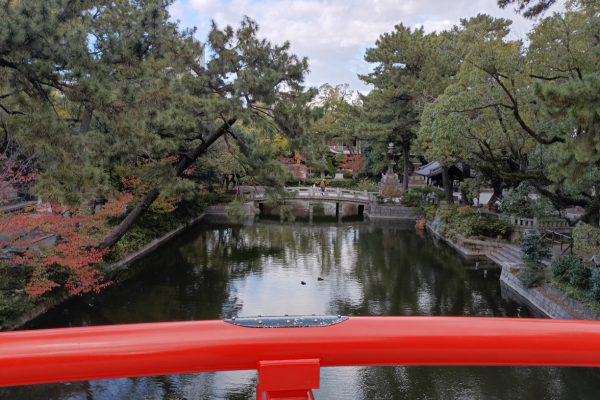
The view from the Taiko Bridge is also spectacular.
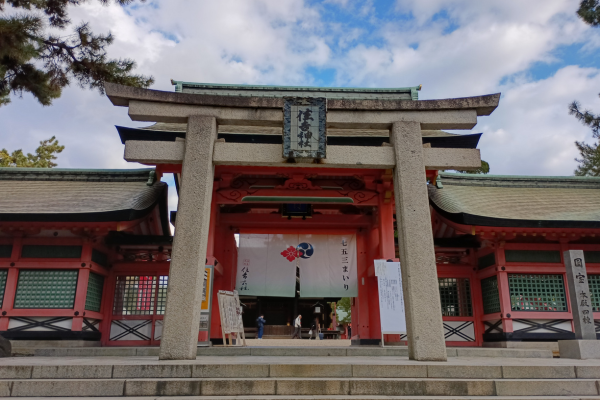
Let us bow and proceed to the main shrine.
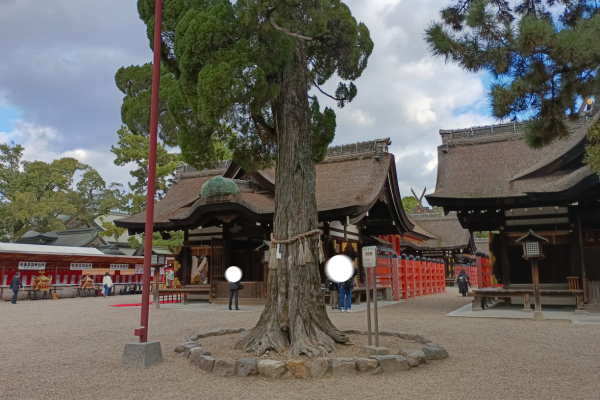
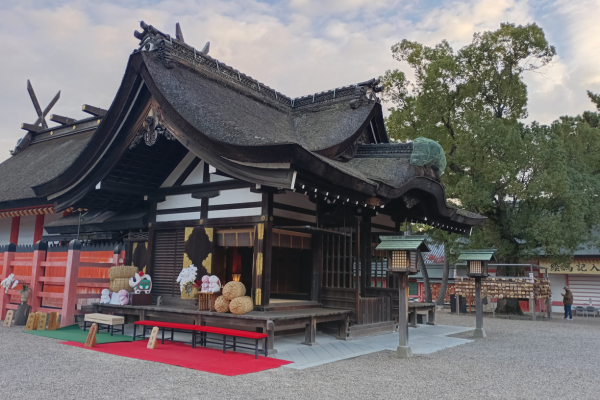
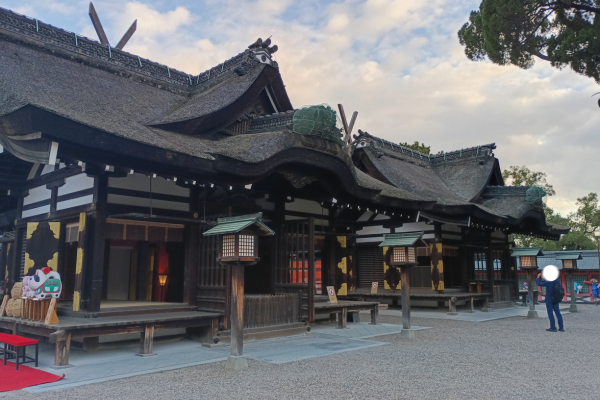
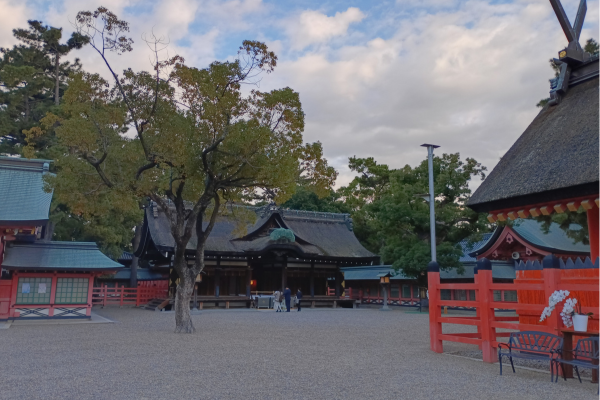
In fact, this is the first time I have visited Sumiyoshi Taisha Shrine in about 30 years.
On New Year’s Day in 1996 (Heisei 8), the year I took the high school entrance exam, I visited the temple with several friends to pray for success.
I remember that it was very crowded and also very cold because we visited late at night.
After praying for success, we promptly returned home.
Therefore, there was no time at all to take a long walk inside.
This visit, however, was different.
Despite being a weekday, it was buslted with worshippers.
Even so, it was not so crowded and I was able to take my time to explore the temple grounds.
Fortunately, the weather was warm,
It was a pleasant visit to the shrine.
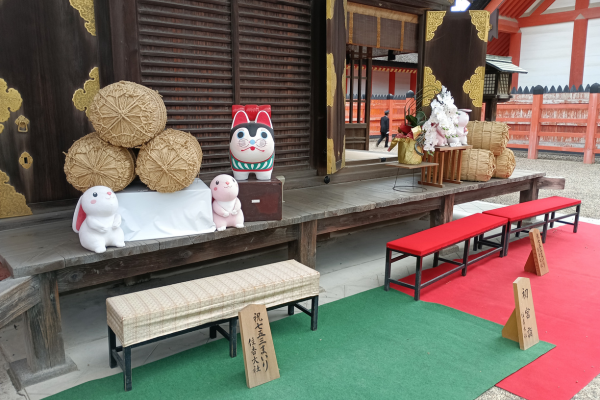
I saw many families with children.
I wondered why, but the reason soon became clear.
November is the month of Shichi-Go-San, whici is a traditional Japanese ceremony to celebrate the healthy growth of children who turn three (3/san in Japanese), five(5/Go in Japanese), and seven(7/shichi or nana in Japanese) years old.
November 15th is considered the official day to celebrate and visit Shichi-Go-San.
Therefore, the month of November is crowded with many family visitors.
The expressions on the faces of the beautifully dressed children were varied.
A child looking excited to receive a Chitose Ame candy,
A child looking exhausted,
A child in a bad mood and crying,
A nervous child at a worship service,
A child looking happy to take a picture,
Seeing them reminded me of my own Shichi-GO-San.
I don’t remember exactly what I did.
I was nervous throughout the entire visit to the local shrine.
I remember how happy I was to receive Chitose Ame candy.
My sister, on the other hand, who worshipped with us,
hated the photo shoot so badly that she cried next to me.
About 40 years have passed since then.
At that time,
I would have never imagined that I am now writing this blog.
While I remember my past like that,
I continued my stroll.
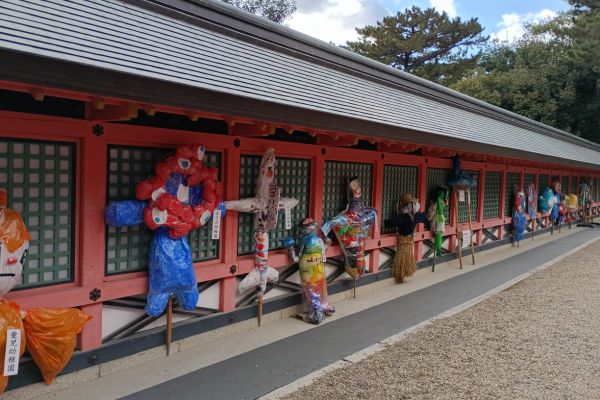
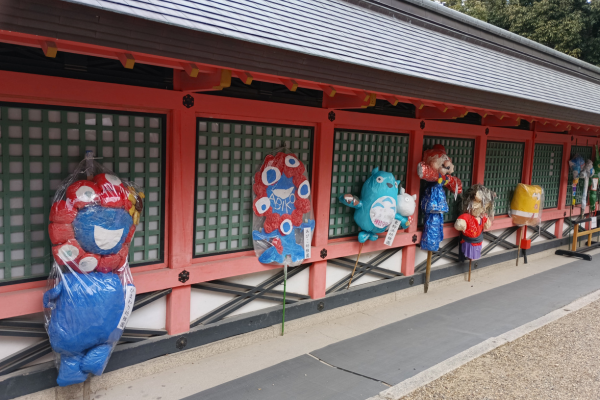
Cute scarecrows made by local children were also on display.
They are all amazing works!
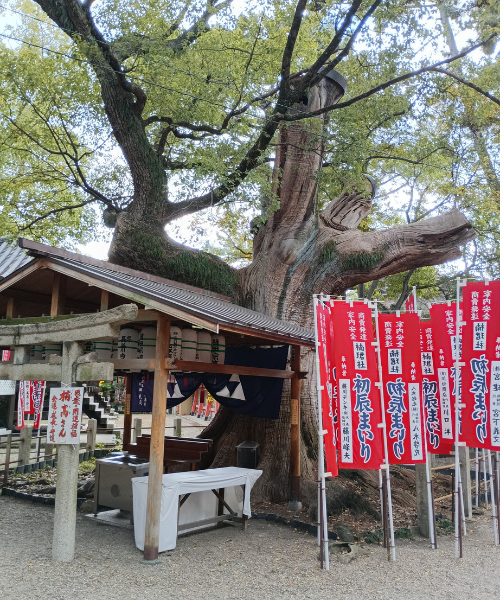
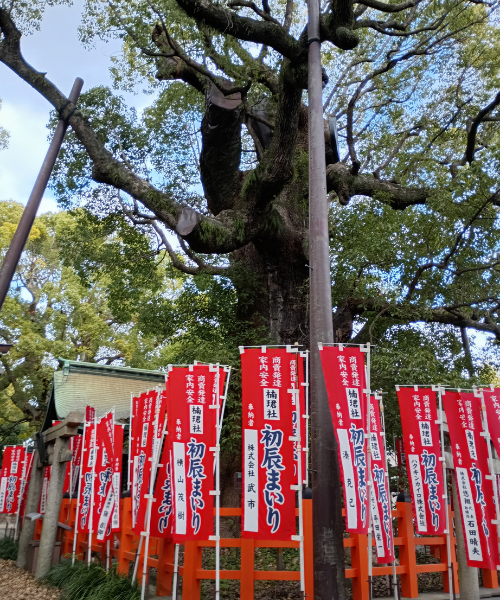
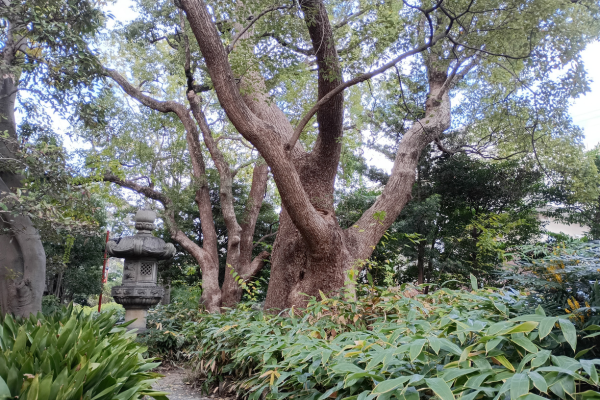
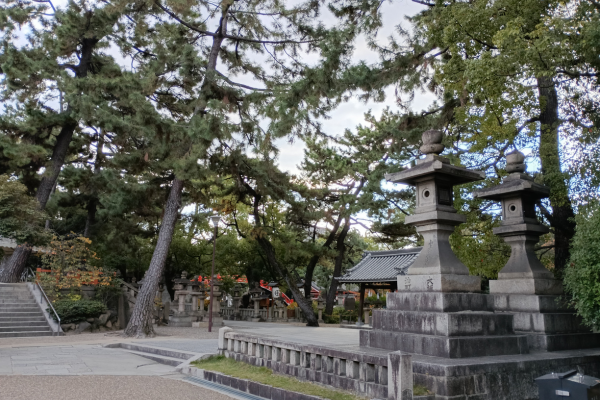
Just looking at the map is enough to give you an idea of the size of the area, though.
Walking around the shrine made me realize just how large it is.
Just looking at the many huge trees on the grounds
made me noticed that my mind was being purified.
There was a place that caught my attention, so I stopped by.
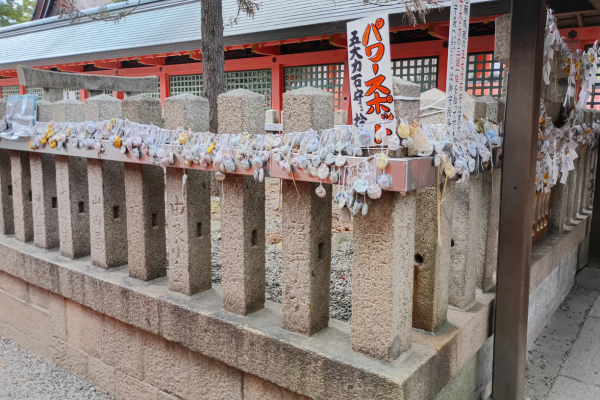
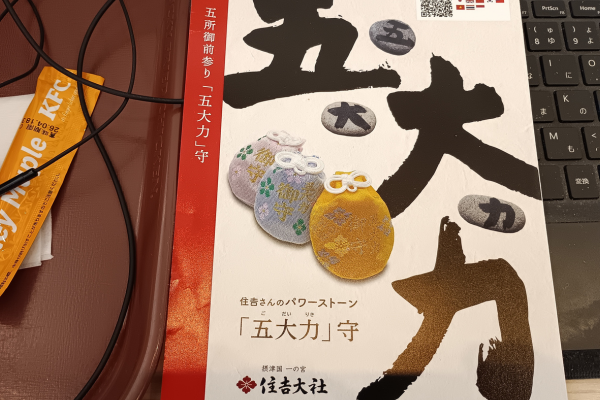
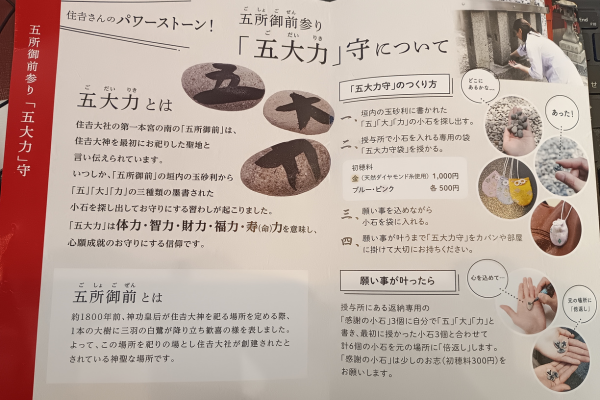
This is a place called “Goshogozen”.
From among the countless stones there, you can pick out the stones marked “五/ご(go)five,” “大/だい(dai)large or great,” and “力/りき(riki)power”.
The stone with “five,” “great,” and “power” is said to bestow the five powers of “physical strength,” “wisdom,” “wealth,” “fortune,” and “longevity,
It is also said to bring blessings for the fulfillment of one’s wishes.
By picking up these stones and placing them in the amulet bag,
it is believed that wishes come true.
From here, please pick up the stone each marked “Five(五)” “Large(大),” and “Power(力)” .
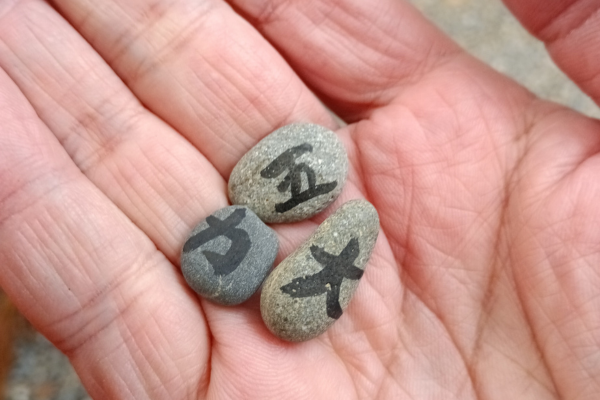
Although I found the “five” and “large” easily,
it took me about 10 minutes to find the “power.”
Anyway, I was able to collect all three.
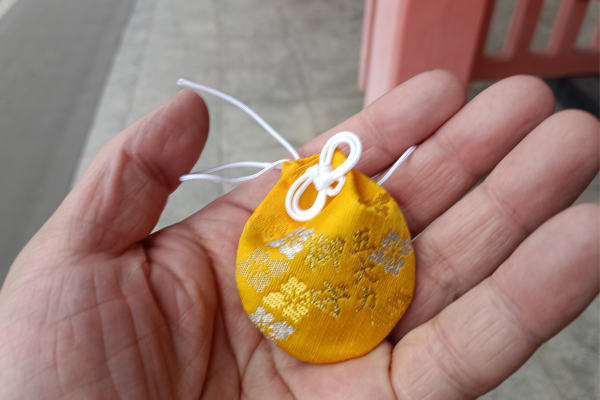
The collected stones are placed in the amulet bag.
I purchased a good luck charm bag (¥1,000) made of natural diamond thread.
It is important to put these stones into the good luch charm bag while making a wish.
I always carry it in my bag until my wish comes true.
Simply wishing for something will not make it happen.
To be able to make wishes come true.
I renewed my commitment to continue to work and study hard.
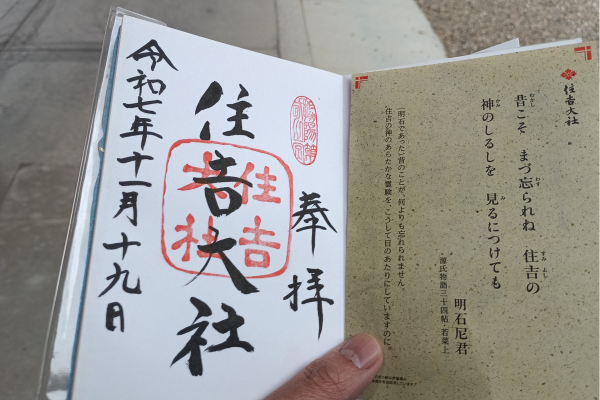
I also received a “Goshuin*”. *A seal stamp given to worshippers. It proves that they visit the shrine or the temple.
It was worth it to go back to my house to get my red seal book(Goshuincho).
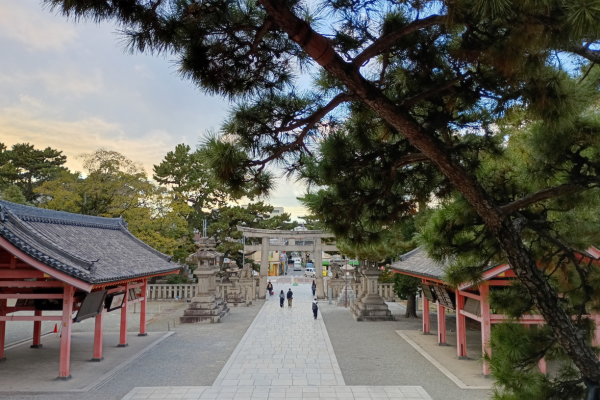
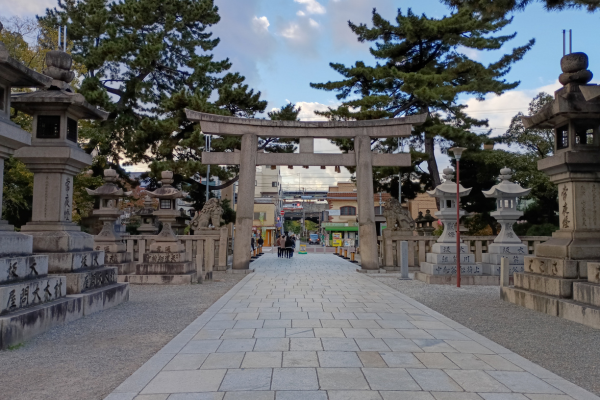
I visited Sumiyoshi Taisha Shrine for the first time in 30 years.
I had a wonderful time.
I still had some time left.
Let’s head to the next location.
Bandaike Park
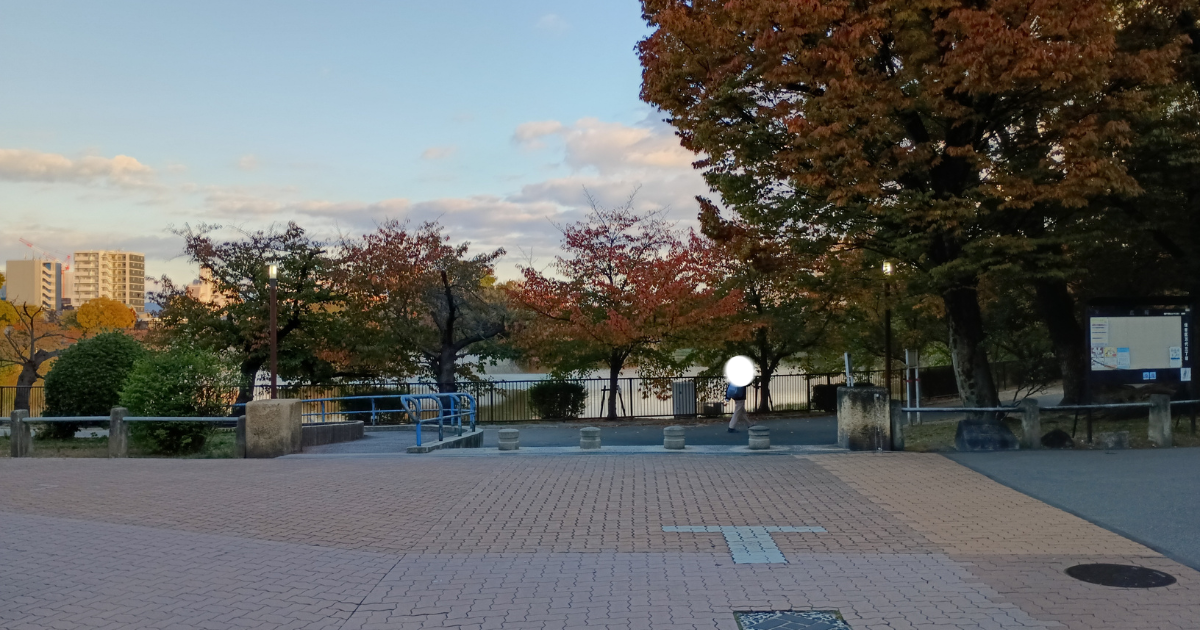
The next stop was Bandaiike Park.
Like Sumiyoshi Taisha, it is located in Sumiyoshi Ward, Osaka City, slightly closer to Tennoji.
I had not originally planned to visit the park.
But there was some time left.
Besides I had known about this park for a long time and was interested in it.
So I decided to visit it on short notice.
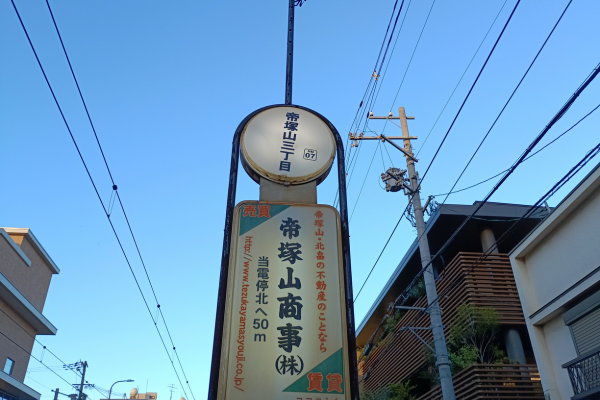
Head to the nearest Tezukayama 3-chome stop.
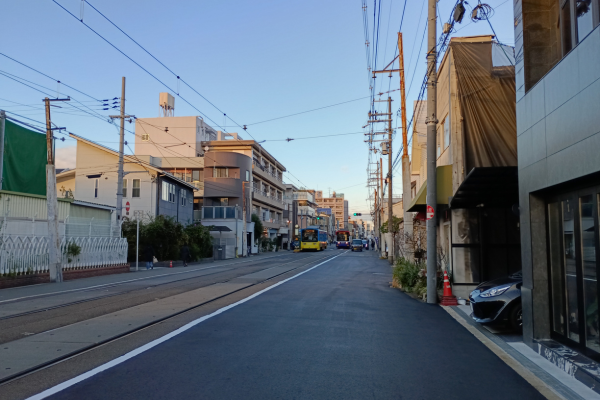
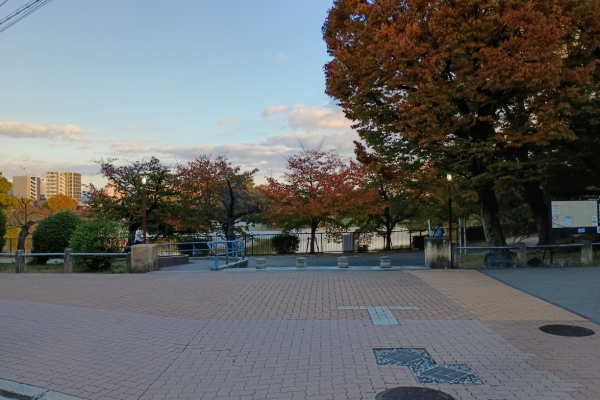
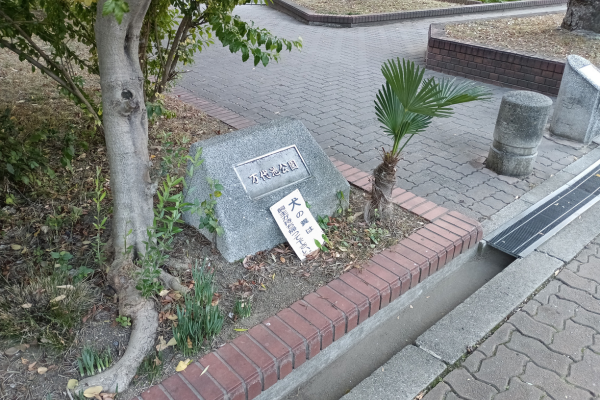
Located a short walk from the stop.
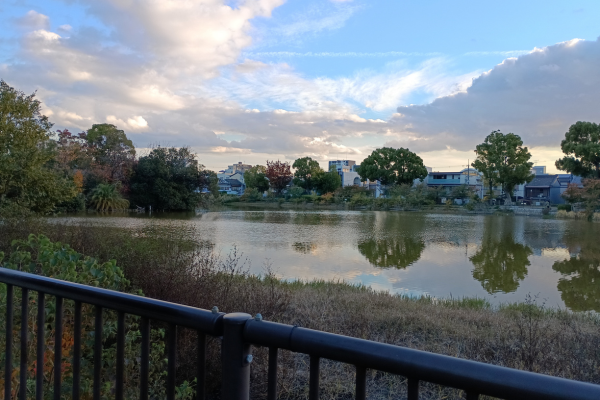
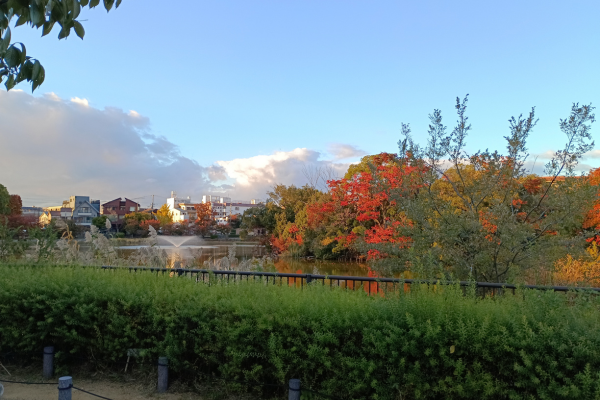
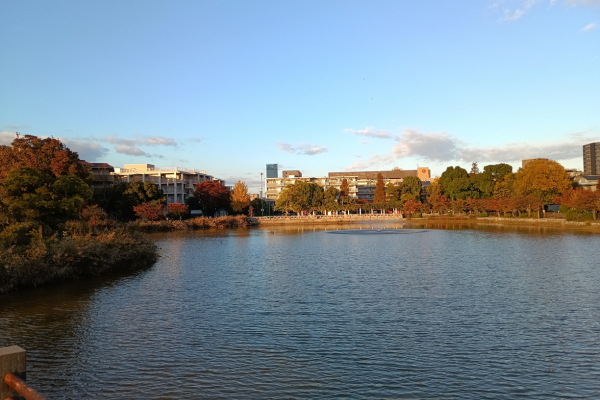
Bandaike Pond, which is the origin of the name of this park,
is located in the center of the park.
It was not so cold at the time of my visit.
Because the sun had not yet set,
local children were playing in the park.
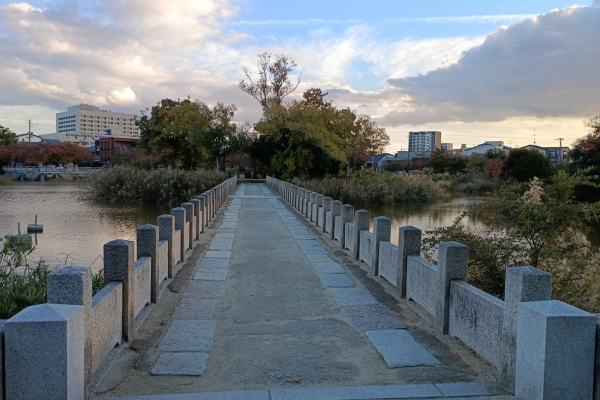
There is a bridge over the pond,
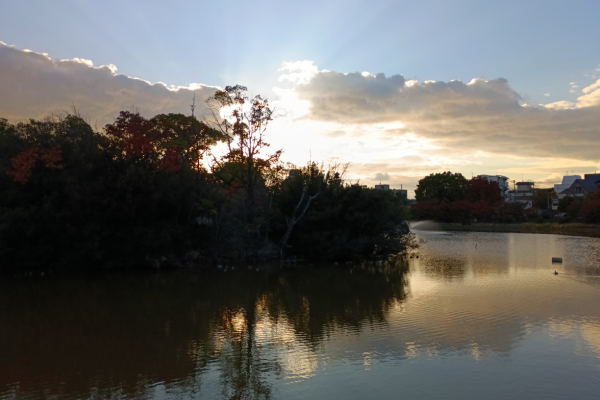
You can go to a small island in the center of the pond.
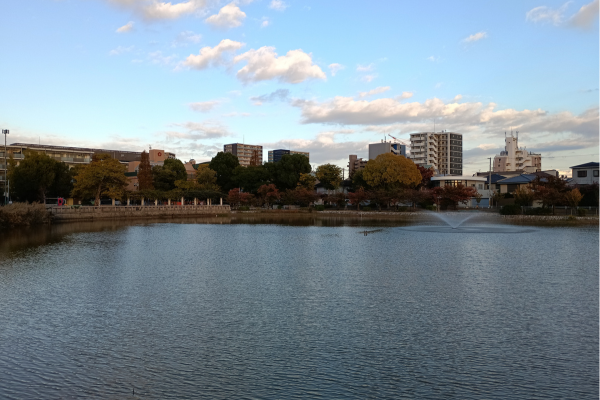
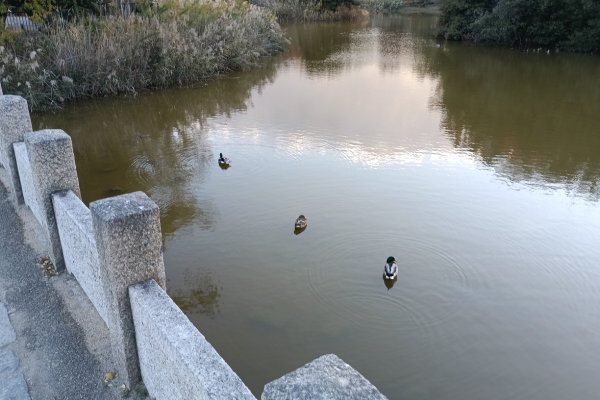
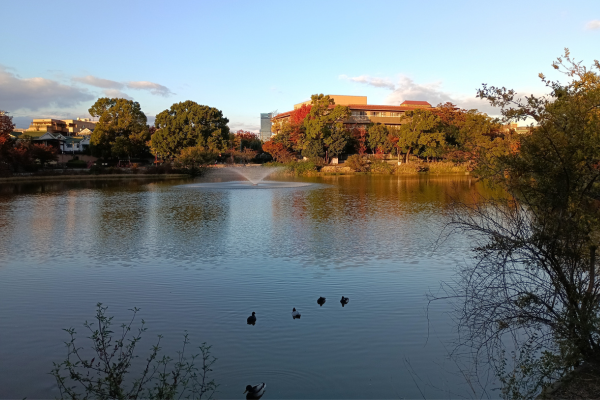
Many wild birds were also resting their wings in this park.
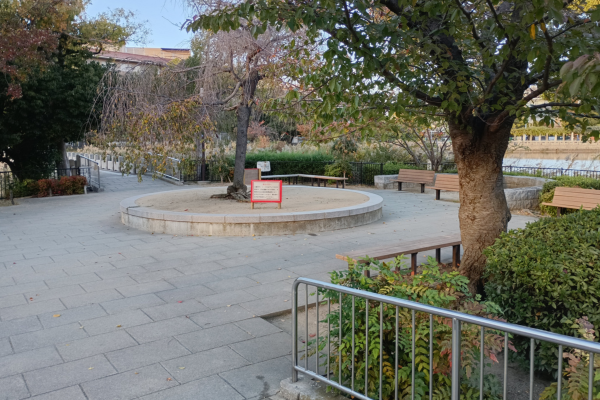
The island itself is a little resting place.
Perhaps this is because it is not as famous as Sumiyoshi Park or Sumiyoshi Taisha Shrine.
There were no people who looked like tourists at all.
The only people in the park were locals.
There is none of the hustle and bustle of tourist destinations.
I was able to stroll through the park quietly and slowly.
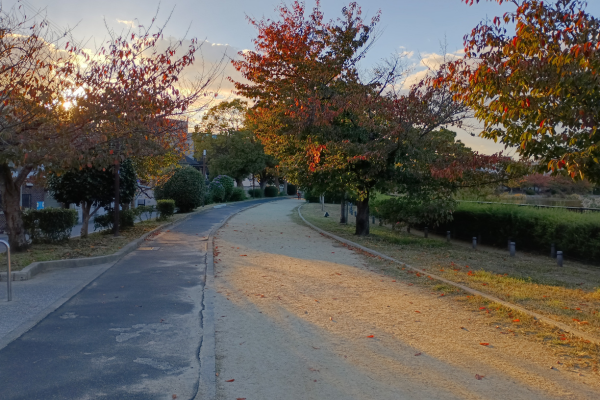
The perimeter of the pond is approximately 700 meters.
A promenade has been built around it.
Many locals enjoyed walking and jogging.
It was only for a short time,
But I enjoyed the walk there.
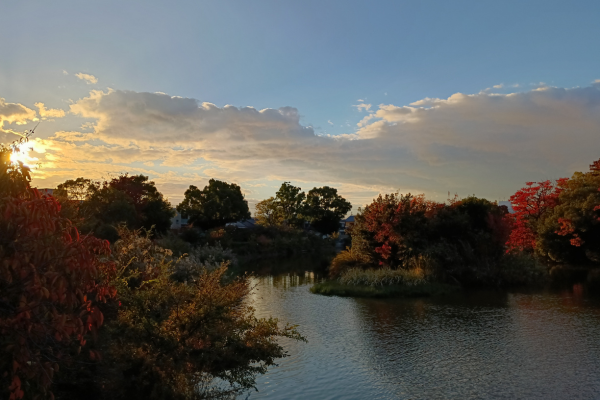
Bandaike Park is blessed with a large pond and many trees.
I think it is a wonderful healing space.
I really envy the locals
who live near such a beautiful park.
In fact, Bandaike Park is also famous for its cherry blossoms.
I found it out later.
It is said that
many of the trees on both sides of the boardwalk are cherry blossoms.
In spring, it becomes a tunnel of cherry blossoms.
It is said to be crowded with many flower-viewing visitors.
I would love to visit this park when the cherry blossoms are in full bloom.
The trip is now in its final stages.
Let’s visit one last place.
Abikomichi stop and Yamato River
Leaving Bandaiike Park,
I was back at the Tezukayama 3-chome stop.
The last place I visited was…
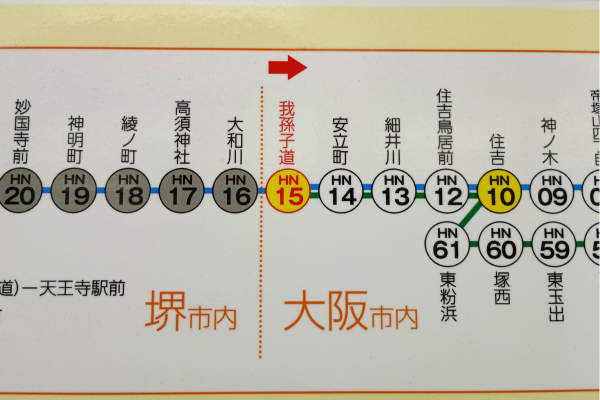
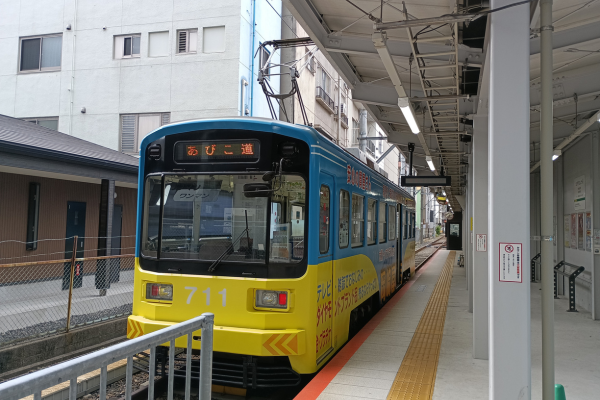
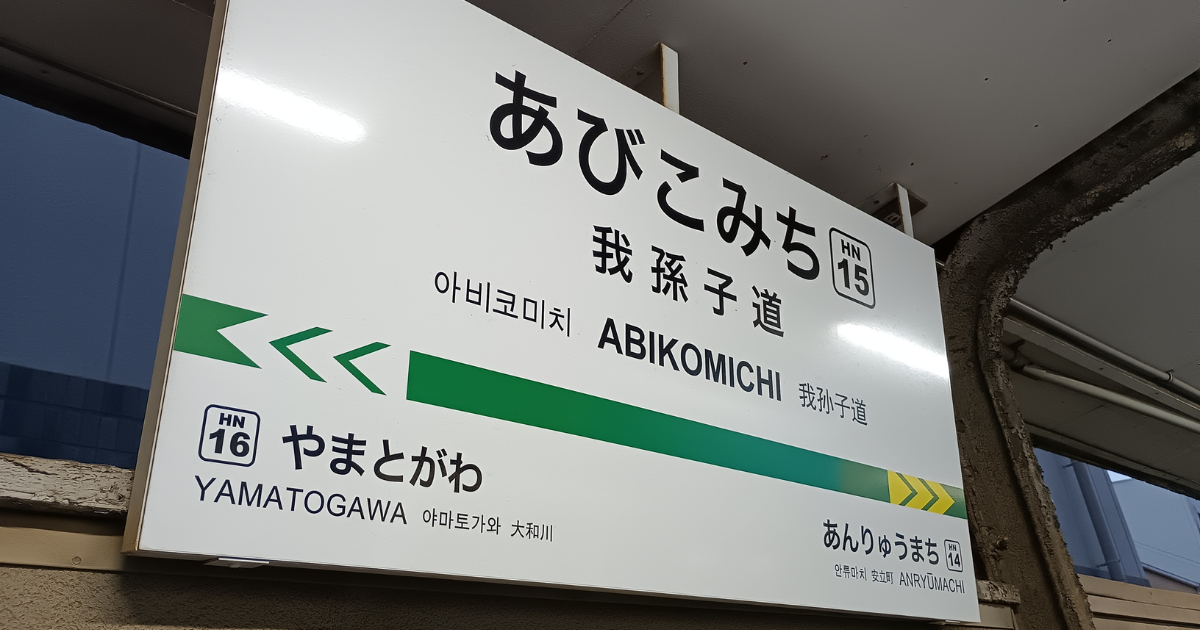
Abikomichi stop.
This is the southernmost stop on the Osaka City side of the Hankai Line.
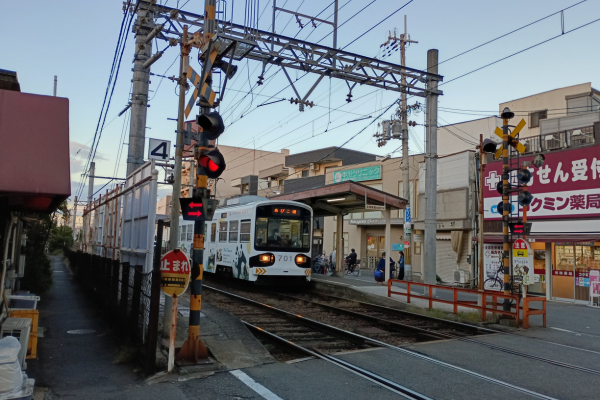
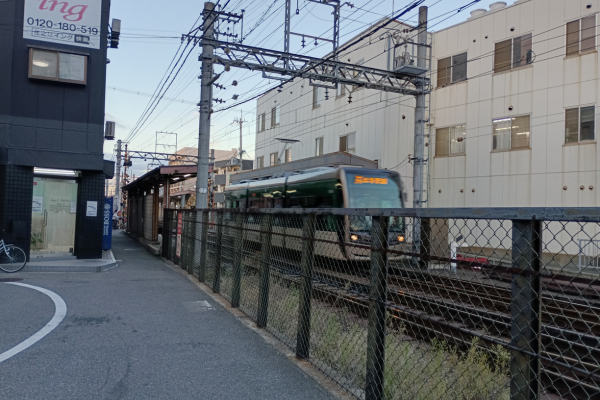
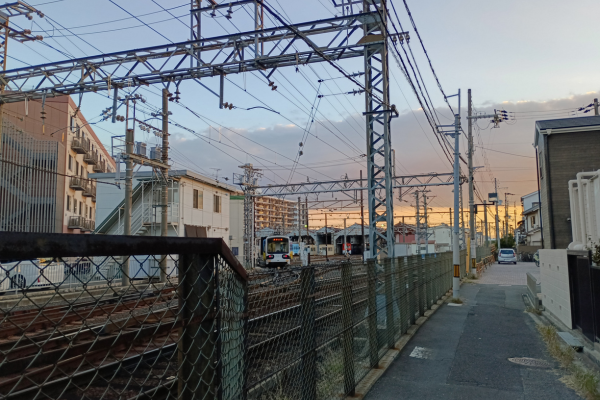
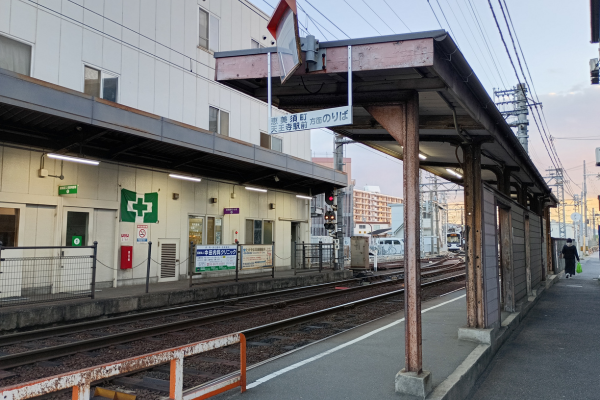
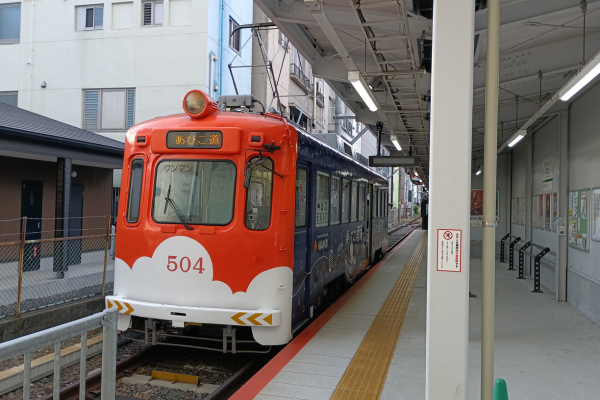
The Abikomichi stop is an important hub for the Hankai Electric Railway.
The Hankai Electric Railway’s head office building and tram yard are also located here.
The train depot was filled with nice, colorful cars in storage.
It will be a sight to behold for railroad enthusiasts.
About half of the trains departing from Tennoji Ekimae
and all trains departing from Emisucho
terminate here at Abikomichi stop.
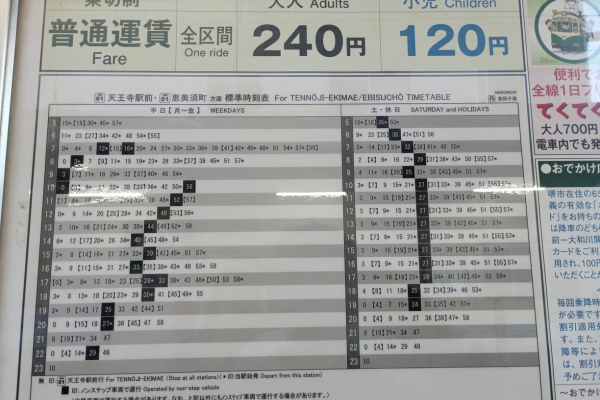
Here is the timetable for the up train at the Abikomichi stop.
As you can see, many trains arrive and depart even during the daytime.
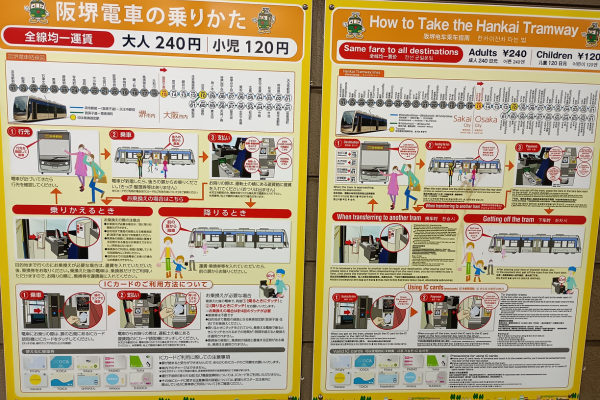
Boarding instructions are posted at each stop.
The information is also posted in English,
Foreign tourists can also board the tram with ease.
I still had a little time.
Let’s head to a place.
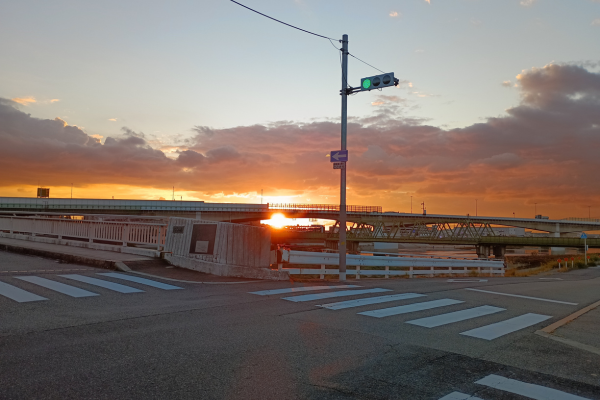
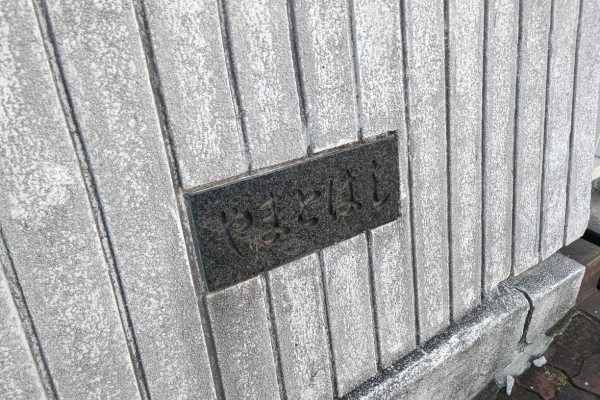
Yamato Bridge.
It is one of the bridges over the Yamato River that runs between Osaka City and Sakai City on the other side of the river.
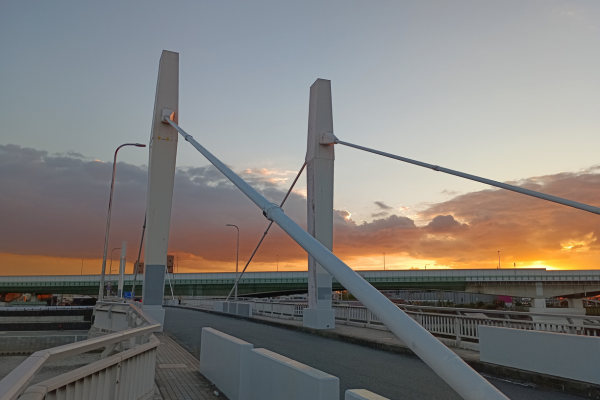
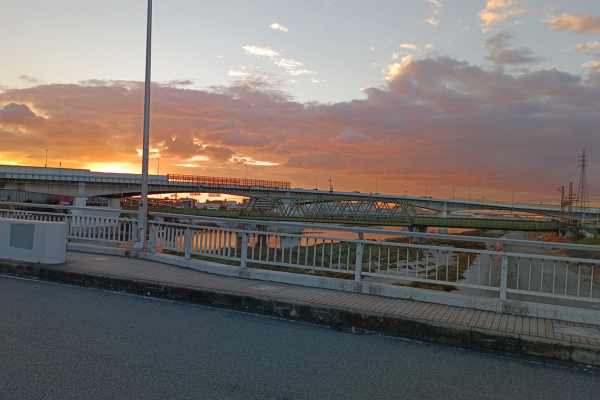
The highway was in the way, though.
The sunset was really beautiful.
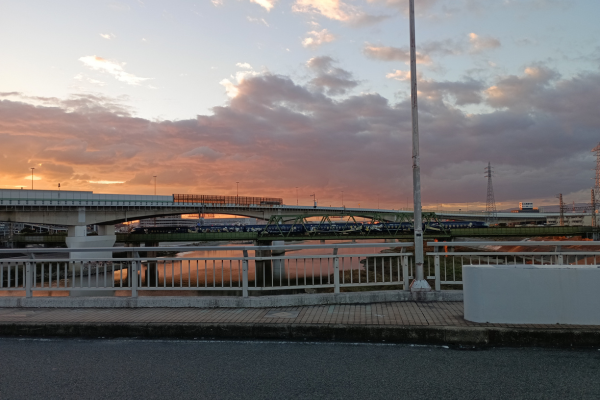
The Nankai Main Line railway bridge crosses under the highway blocking the setting sun.
I saw the limited express “Rapi:to” running toward Kansai International Airport.
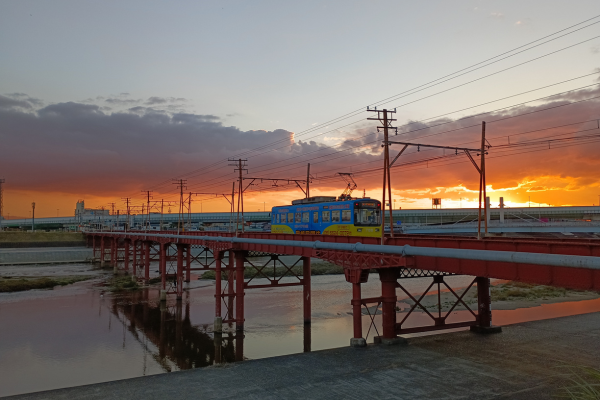
If you go a little further upstream,
you arrive at the Hankai Line railway bridge.
There was a train running just in front of Hamadera Ekimae stop.
Sakai City is on the other side of the river.
I would love to take the Hankai Line next year and tour Sakai City.
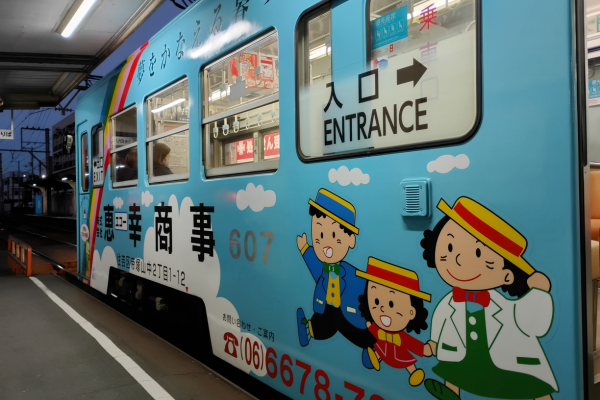
I am back at the Abikomichi stop.
It is also the evening rush hour.
Trains were arriving and departing incessantly.
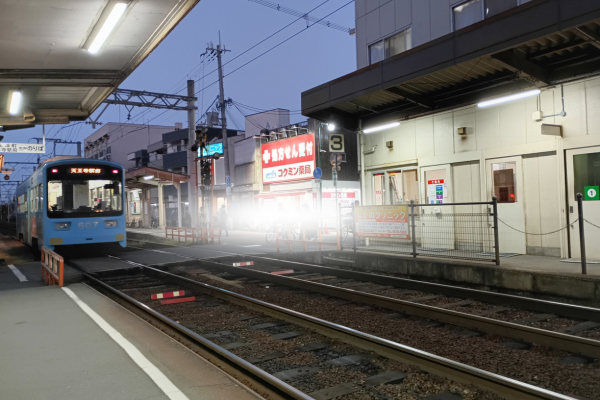
There is a reason why we visited this stop.
Of course, the Yamato River we just visited is one of them.
And there is one more reason.
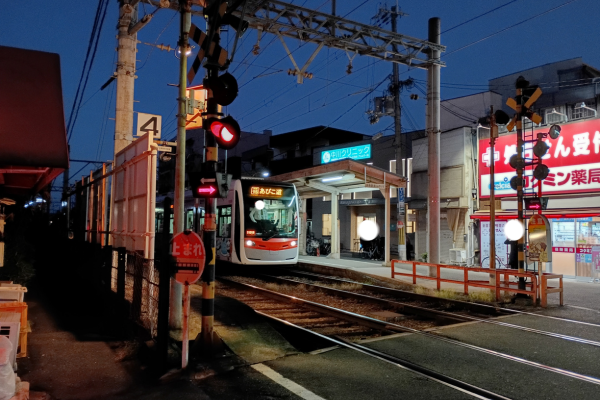
The train I was looking for has arrived.
This is the latest super-low-floor car “Type 1101” of the Hankai Line.
I have always wanted to ride in this vehicle.
In principle, the “Type 1101” runs the entire route from Tennoji Ekimae to Hamadera Ekimae.
However, some of them arrive and depart from Abikomichi at certain times of the day.
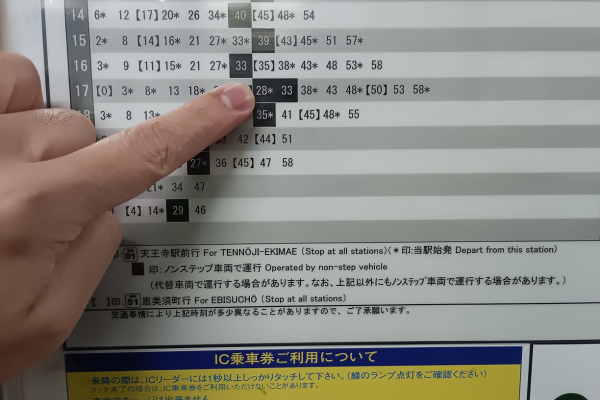
The 5:28 p.m. departure falls into that category.
The car shown in the previous photo runs as a turnaround train bound for Tennoji Ekimae.
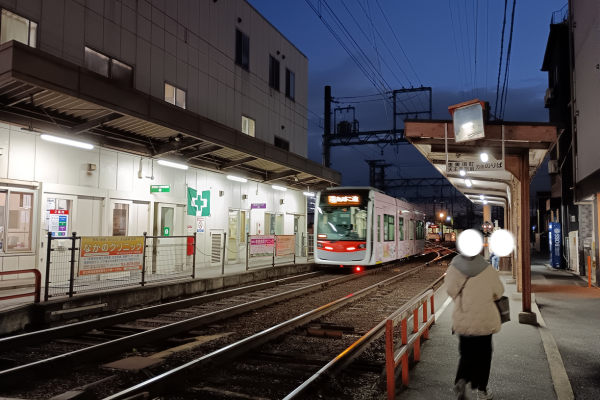
Once there, the tram turns back to the depot.
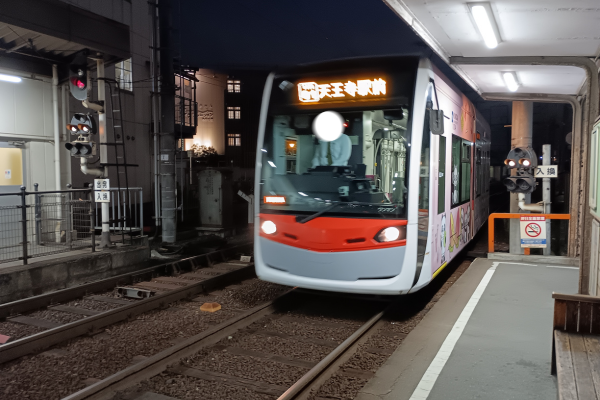
Here it came.
The tram leaves from this stop, so we can be sure of a seat.
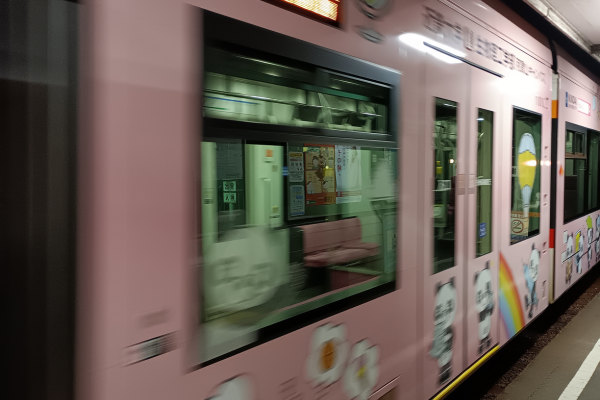
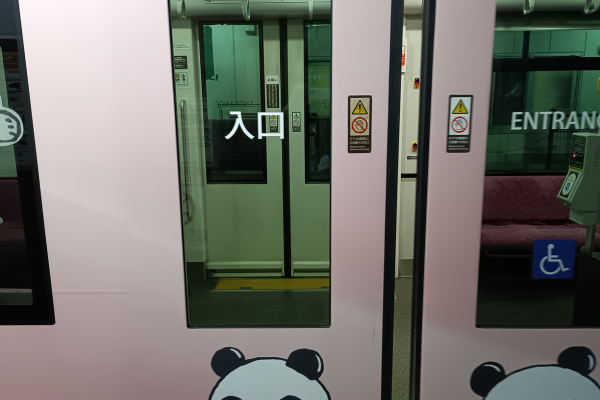
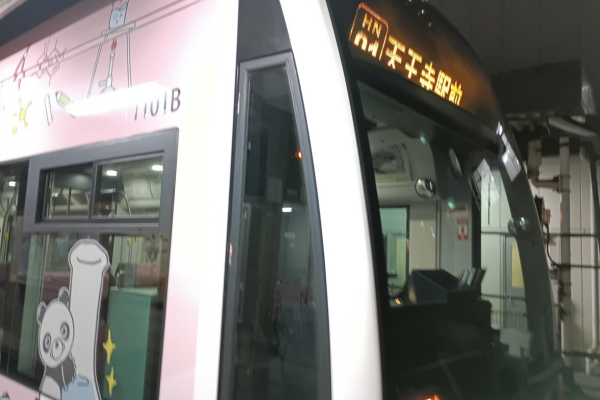
The stop time is only one minute.
I could not take a good picture because I was in a hurry.
I secured a single seat in the front row.
You can’t enjoy the front view, though.
The seating was comfortable.
Now let’s head to Tennoji Ekimae.
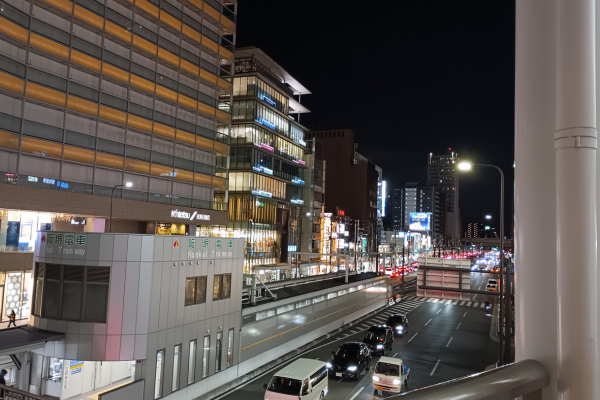
We arrived at the Tennoji Ekimae stop safely.
Tennoji Ekimae stop is one of the few manned stops
on the Hankai Line as well as Abikomichi.
I purchased the one-day pass I used this time at this commuter pass sales office.
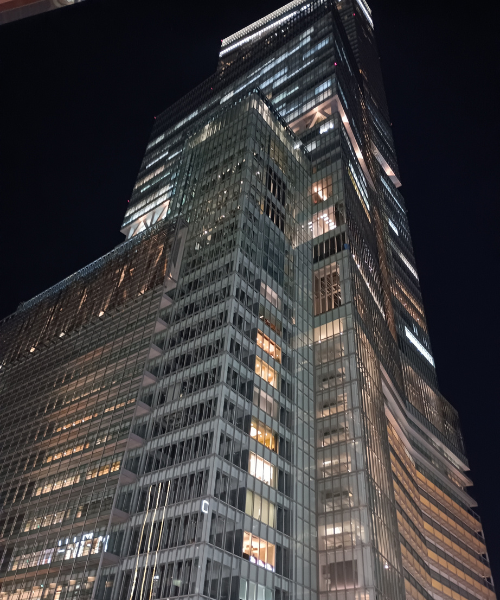
Abeno Harukas greeted me.
I have been to the top observation deck once a long time ago.
I would like to visit again if I have the chance.
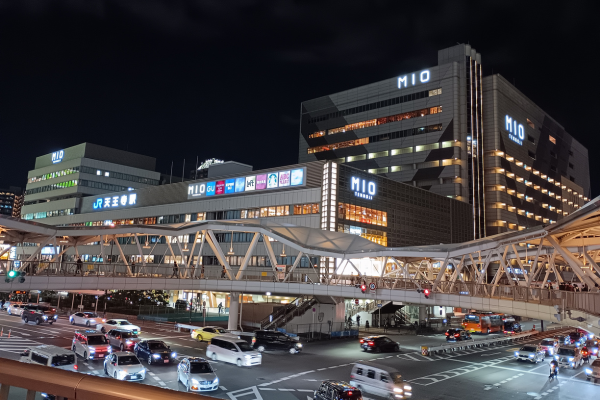
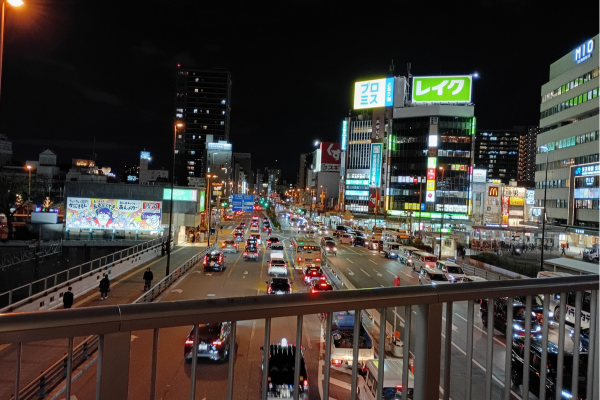
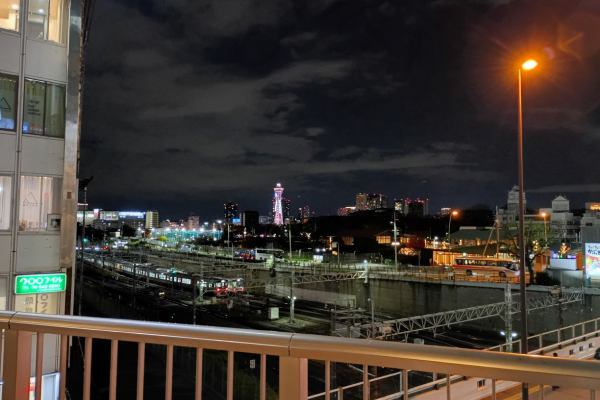
Well, it was truly an enjoyable tram ride.
After enjoying the night view of Tennoji and Abeno, I headed home.
Finally, let’s look back on this trip.
Summary
I conclude that
I really enjoyed this trip.
Through this travel,
although I am an Osaka native,
I was made aware
that there are still many fascinating places in Osaka that I do not know about.
Thanks to the one-day pass,
I was able to visit as many different places as time allowed without worrying about train fares.
What would have happened if I had not used the one-day pass?
Looking back on this trip, I boarded and alighted six times.
Contents include
Ebisucho ⇒ Kita-tenga-chaya
Ebisucho ⇒ Tenjinomori
Tenjinomori ⇒ Sumiyoshi Torii-mae
Sumiyoshi Torii-mae => Tezukayama 3-chome
Tezukayama 3-chome ⇒ Abikomichi
Abikomichi ⇒ Tennoji Ekimae
The fare is 240 yen for adults,
The total cost is 1,440 yen for six rides.
But if you use this one-day pass,
you need only 700 yen of the purchase price.
I was able to enjoy the trip at half the fare.
The more you ride, the farther you go,
this is a great value ticket.
My Readers,
If you want to take your time and enjoy sightseeing in downtown Osaka,
away from the crowds and hustle and bustle of major tourist destinations,
you should visit various places on the Hankai Line.
You will discover the charm of Osaka
which you will never see in the major tourist destinations.
I, hiikun, am considering a trip to Sakai City on the Hankai Line next year.
If you get the chance, I would like to make the trip in person.
I would be happy to share with you what will happen during the trip.
Thank you again for reading to the end of this issue.
See you in the next article.
≪Advertisement≫.
自宅にいながら海外・国内旅行オンラインツアー

大切な人に感動体験を贈る|JTBデジタルギフト「してね」|宿泊・食事・日帰り体験